Understanding the basics of gambling for beginners
What is Gambling?
Gambling is the act of wagering money or valuables on an event with an uncertain outcome, often associated with games of chance. The primary allure of gambling lies in the possibility of winning large sums of money, which can lead to both excitement and risk. From traditional games like poker and blackjack to modern slot machines and online betting, gambling takes many forms that cater to various preferences and interests. You might find it beneficial to playojo register casino as one of the options you explore.

At its core, gambling can be both a recreational activity and a serious pursuit. While many engage in it for entertainment, others may develop a more intense interest that can lead to addiction. Understanding the balance between fun and risk is crucial for anyone looking to delve into the world of gambling.
The Different Types of Gambling
Gambling can be classified into several categories, each offering unique experiences. Casino games include classic options like roulette, blackjack, and poker, where players compete against the house or each other. Sports betting, another popular form, allows individuals to wager on the outcomes of various sporting events, adding a layer of excitement for fans.
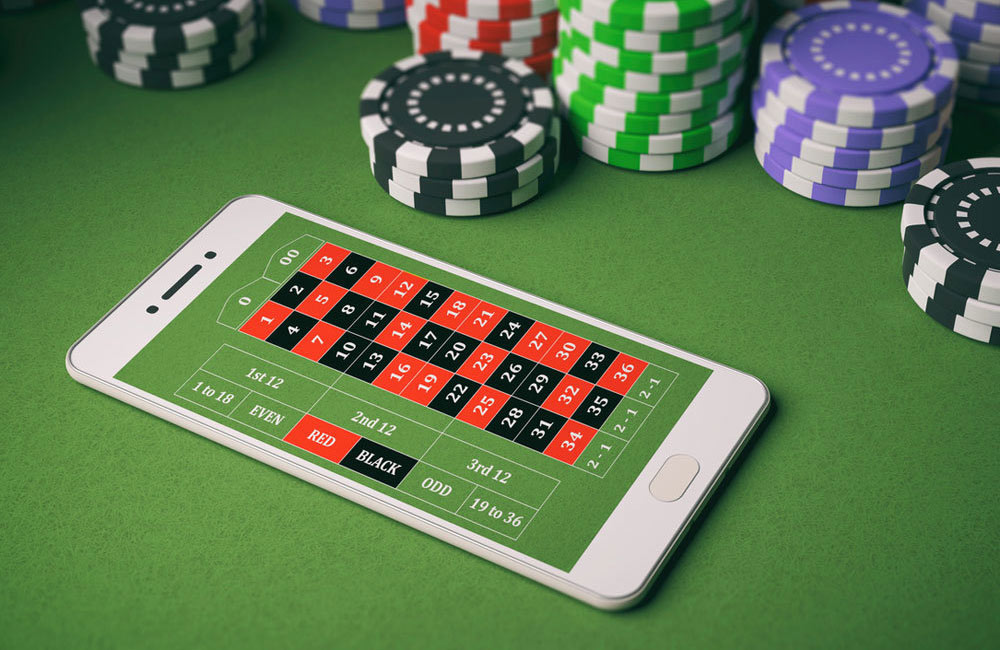
Online gambling has also gained significant traction, allowing players to enjoy their favorite games from the comfort of their homes. This digital transformation has led to the rise of virtual casinos and sports betting platforms, providing an expansive array of options that traditional venues may not offer.
The Psychology Behind Gambling
Understanding the psychology of gambling is essential for beginners. Many gamblers are drawn in by the thrill of risk-taking and the anticipation of a potential win. This psychological aspect can create a powerful emotional response, leading to behaviors that are sometimes irrational. For some, the excitement of gambling can be addictive, making it important to recognize the signs of problem gambling.
Additionally, cognitive biases play a significant role in gambling behavior. Many people may overestimate their chances of winning or believe they can control outcomes through skill or strategy. Recognizing these misconceptions is vital for managing expectations and maintaining a responsible approach to gambling.
Responsible Gambling Practices
For beginners, adopting responsible gambling practices is crucial to ensure a safe and enjoyable experience. Setting a budget before starting is an effective way to limit potential losses and avoid falling into the trap of chasing losses. It is also essential to understand the odds associated with different games, as this knowledge can help inform decisions.
Moreover, taking breaks and self-monitoring one’s gambling habits are important steps in maintaining a healthy relationship with gambling. If at any point the activity feels more like a burden than a source of enjoyment, it may be time to reassess one’s involvement.
Current Trends in Online Gambling
The landscape of gambling is constantly evolving, especially with the rise of online platforms. Innovations like live dealer games, virtual reality experiences, and mobile gambling apps are reshaping the way players engage with games. These advancements not only enhance the gaming experience but also increase accessibility for a broader audience.
As online gambling continues to grow, it’s essential for players to stay informed about regulatory changes and emerging technologies. Being aware of the legal landscape and responsible gambling resources can help ensure a safer and more enjoyable experience in this dynamic environment.